
Your inbox is quiet. No new sale. No fresh question from a subscriber. Just you, staring at a blank page, wondering what to write today.

Sound familiar? Most people running an online business tie their income directly to how many emails they personally write each week. Skip a week, and the sales slow down right alongside you.
Here is what changed everything for me: an email system that sells while you sleep. Not a fantasy, not a trick. A written sequence, built once, keeps introducing you to new readers. It guides them toward the right next step, long after you have moved on to something else.
I want to walk you through exactly how that system works. One overlooked shift changes everything: how you write your emails. Get that right, and a handful of afternoons can turn into income that keeps showing up on its own. That shift is not about writing faster. It is about writing once, in the right order, and stepping back.
The Difference Between Writing Every Day And Writing Once
Most beginners picture email marketing as an ongoing job. Write a subject line. Write the body. Hit send. Then do it all again next week.
That belief is not wrong. It is just backward.
The emails you send today do not have to disappear the moment your subscribers read them. A single email, written once, can go on selling to every new subscriber who joins your list, for months or years afterward.
I learned this the slow way, testing sequence after sequence in my own business since 2001. A handful of emails, written with real care and placed in the right order, will outperform years of rushed, one-off messages sent in a hurry.
The system behind this shift is what I call the Freemium Formula. It is a written six-week sequence that runs the same way for every new subscriber. It does not matter whether they joined this morning or eighteen months ago.
Why Most Sequences Get Abandoned Half Finished
Here is the part almost nobody tells you before they start writing a sequence like this: most people never finish one.
They write the first three emails, feel good about it, then get pulled back into daily tasks. The sequence sits unfinished in a folder, doing nothing for anyone.
I watched this exact moment play out at a workshop I hosted years ago. My guest speaker that weekend, Marlon Sanders, asked the room a simple question: how many of you have a product that is half done?
Most hands went up.
Marlon’s answer stuck with me. “Stop saying half done,” he told the room. Things are either done or not done. If it is not done, it cannot sell for you.
Things are either done or not done. If it is not done, it cannot sell for you.
An unfinished email sequence is the same story in a different outfit. Three strong emails sitting in a folder will not earn you a single sale while they wait for the other fifteen.
What This System Looks Like In Practice
Picture eighteen emails, three a week for six weeks, each one written with a single clear job.
Some open a small gap of curiosity. Some teach something small and useful on their own. Some simply remind a reader why they joined your list in the first place.
Every new subscriber meets the same eighteen emails in the same order, spaced out automatically. It does not matter whether they join on a Monday morning or a Sunday night.
When I tracked one full run of this exact email system that sells, the pattern held steady. Close to three in ten people who opened an email went on to click something inside it. That happened week after week, without me writing one new word once the sequence was live.
That is not a guess. That is what happens when a written sequence replaces guesswork with a repeatable shape.
I have shared more thinking on turning a single afternoon of work into ongoing results in other posts I have shared recently. The same idea keeps showing up in different forms.
The One Rule That Keeps A Sequence From Feeling Like Spam
None of this works if your sequence feels like a stranger showing up at the door every single day asking for something.
Every email in the system needs to earn its place. Most of them help first. A smaller number ask for something clearly, without apology.
I think of it as a simple rule: kiss your list regularly, hug them occasionally. Most contact should feel like a welcome guest arriving with something useful. Only a portion should ever feel like a request.
Get that balance right once, inside a sequence you build a single time. Every future subscriber then meets the same fair, well-paced relationship, the kind you would want if you were reading it yourself.
Specific Emails Beat Generic Ones Every Time
The eighteen emails inside a system like this work because each one is specific, not because there are a lot of them.
A vague welcome email that says thanks for joining gets ignored. A specific one that names the exact result a new subscriber wants gets read.
Specific always outsells general. I have said that in nearly every product I have written since I started this business, and it has never once stopped being true.
The same rule applies whether you are writing one email or eighteen. Name the one thing your reader wants. Then write toward it, one email at a time, until the sequence is done, not almost done.
How Long This Really Takes To Build
Most people overestimate how long a sequence like this takes once they stop trying to make it perfect.
Eighteen emails sounds like a lot until you break it down. Three emails a week for six weeks works out to about one sitting a day for three weeks. Or spread it across a few longer sessions in a slower month.
Once it is built, it stays built. You do not rewrite it every month. You add to it occasionally, and otherwise leave it alone to do the job it was built for.
That is the real shift behind an email system that sells while you sleep. Not more hours. Not a bigger list. One finished piece of work, running quietly in the background of a business that used to depend on you writing something new every single day.
The First Email Decides Almost Everything
The very first email in the sequence carries more weight than any of the other seventeen.
A new subscriber opens it within minutes of joining, while curiosity sits at its highest point for that entire relationship.
That first email should never just say thanks for joining and hand over the freebie. It should tell your reader exactly what problem you help with, and prove it fast with one small useful idea they can use today.
Get the first email right, and the other seventeen have a reader who already trusts you a little. Get it wrong, and the rest of the sequence is fighting a battle it never needed to fight.
You Do Not Need A Big List To Start This
Here is the part that stops most beginners before they start. They assume a system like this only matters once they have thousands of subscribers.
The opposite is closer to true. A finished, well-built sequence sells just as well for your fiftieth subscriber as it does for your five-thousandth.
Build it while your list is small. Every new subscriber from that point on meets the finished version, not a work in progress you are still figuring out.
Waiting for a bigger list before you build your sequence is like waiting for a bigger crowd before you finish writing your best material. The list grows into the sequence. The sequence does not need to wait for the list.
The Shape Worth Copying
Six weeks. Three emails a week. Each one earning its place before it asks for anything.
That shape is not complicated. It is just rarely finished.
Most of the sequences that never get built are not missing a good idea. They are missing eighteen finished emails sitting in the right order, ready to run.
If building your own version of this system sounds like the next step, I already mapped out the exact framework behind it. The Lazy Way To Email Riches walks you through the full six-week structure, email by email. It also covers the psychology behind why a welcome guest gets read and a persistent pest gets deleted.
It includes the popup and landing page pieces that feed new subscribers into the sequence in the first place. You also get the exact subject line and body copy patterns behind every email in the run.
You can find the whole system at LazyWayToEmailRiches.com. It is ready whenever you want to build your own version of an email system that sells while you sleep.
Start small. Write three emails this week, not all eighteen at once. Finish those three completely before you touch a fourth.
A sequence built slowly and finished beats a sequence planned perfectly and never sent. Your future subscribers are waiting on the other side of it, whether you write it this month or next year.
I am cheering you on every step of the way.
Nick James
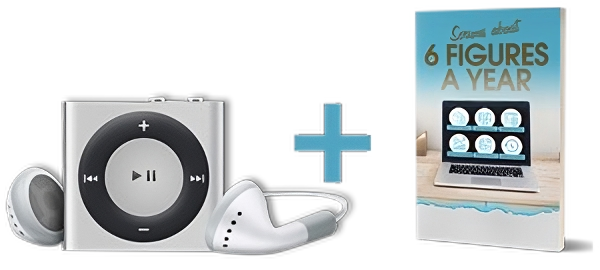
Claim Your Free MP3 And PDF Training: The 3-Part Plan To Topping $100,000 Per Year In Profit
Enter your name and email address below to receive a new lesson delivered to your inbox once a week. Your first lesson will be delivered immediately.
Privacy Policy : We value your privacy. You can unsubscribe from receiving future emails with 1 click at any time.